




At a glance
- Company
- Vicinity Centres
- Location
- Australia
Key figures
- Centres adopting the program
- 58
- Australians living with a disability
- Around one in five
- Estimated share of disabilities that are invisible
- Around 80 percent
People
- Catherine GrbicSocial Impact Lead
Products and programs
Vicinity adopts Hidden Disabilities Sunflower Program across centres Program to better understand and accommodate people with non-visible conditions Around one in five Australians live with a disability and around 80 percent of disabilities are invisible
June 18, 2024 -- 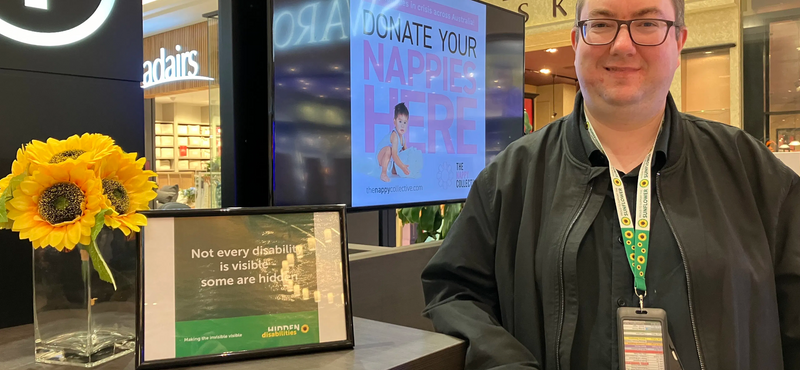
Vicinity Centres is proudly adopting the Hidden Disabilities Sunflower Program, showing its commitment to inclusivity, acceptance, and support for individuals living with non-visible disabilities.
Inspired by the success and impact of this program in various sectors Vicinity is proud to extend this initiative to its 58 centres across the country.
The internationally recognised initiative aims to foster greater understanding and accommodation for people with non-visible conditions. By wearing a sunflower pin, wristband, or lanyard, individuals can discreetly indicate their need for assistance.
Vicinity Centres Social Impact Lead, Catherine Grbic, said the Hidden Disabilities Sunflower Program equips staff with awareness and training to recognise customers who may require additional support due to non-visible disabilities such as autism, epilepsy, deafness, or chronic illnesses.
“Vicinity is committed to inclusivity and we’re always looking at ways to create more meaningful and positive experiences for all customers. It’s the little things that go a long way to creating environments that are welcoming and accommodating for our entire community,” she said.
Around one in five Australians live with a disability, and an estimated 80 per cent of disabilities are invisible. Customers visiting Vicinity centres are encouraged to familiarise themselves with the Hidden Disabilities Sunflower Program and explore the resources available on the program's website.
Through the adoption of the Hidden Disabilities Sunflower Program, Vicinity Centres reaffirms its commitment to enabling good business through a purposeful ESG program and mindset.
If you detect any issues, problems, or errors in this press release content, kindly contact [email protected] to notify us (it is important to note that this email is the authorized channel for such matters, sending multiple emails to multiple addresses does not necessarily help expedite your request). We will respond and rectify the situation in the next 8 hours.
Questions around this news
How does the Hidden Disabilities Sunflower Program work at Vicinity centres?
People with non-visible disabilities can wear a sunflower pin, wristband or lanyard to discreetly signal that they may need assistance. The release says the program also gives staff awareness and training to help them recognise customers who might benefit from additional support.
How many centres are adopting the program?
Vicinity Centres says it is extending the initiative to its 58 centres across Australia. The release describes the adoption as part of the company’s effort to make customer experiences more inclusive and accommodating.
What conditions might be non-visible disabilities?
The release gives autism, epilepsy, deafness and chronic illnesses as examples of conditions that may not be apparent to other people. It says customers with non-visible disabilities may need additional support, which the program is intended to help staff recognise.
What does “non-visible disability” mean?
A non-visible disability is a condition or impairment that may not be immediately apparent to others. It can affect a person’s daily activities or support needs even when there are no obvious outward signs. Experiences vary, and a person may choose whether to disclose their condition or request assistance.
