

What is a Press Release? Definition and Writing Guide
March 30, 2026 at 03:37 AM UTC
 Written by Huey Yee
Writing a press release is not complicated.
The reason many people find press releases intimidating has little to do with the writing itself. It comes from how press releases are usually portrayed.
They are often associated with large corporations, public companies, or major announcements that appear on national news sites. Because of that, smaller businesses assume press releases are not relevant to them.
In reality, a press release is simply a structured way to share news publicly.
It is used by startups, small businesses, nonprofits, and organizations of all sizes to communicate information clearly and consistently.
Once you see how a press release actually works, it becomes much easier to decide when it makes sense to use one and what to include.
What Is a Press Release?
A press release is a written announcement used to share news with the media and the public.
It is sent to journalists, editors, and media outlets to inform them of something newsworthy. The goal is to provide accurate, clear information so the media can decide whether the story is worth covering.
A press release is not an advertisement. Instead of focusing on promoting your brand, it is used to tell the facts to your audience.
Common reasons businesses issue press releases include:
- Launching a new product or service
- Announcing a partnership or collaboration
- Sharing funding or investment news
- Reporting company milestones or growth
- Promoting an event or initiative
- Addressing public issues or clarifications
Example of company milestones press release published on EdgeNewswire:

By presenting information in a way journalists and editors can quickly understand, a press release increases the chances of your news being picked up and reported.
So who actually uses press releases?
Who Uses Press Releases?
Press releases are used by different groups, each for a specific reason. Understanding these roles helps explain why the format is structured the way it is.
#1 Press Officers and Communications Teams
Press officers use press releases to communicate official statements on behalf of an organization.
Their responsibility is accuracy and clarity. When information needs to be shared publicly, a press release ensures that the details are correct, consistent, and documented.
This is especially important during sensitive situations such as company changes, public issues, or crisis communication.
Example of company changes written in press release and published online:
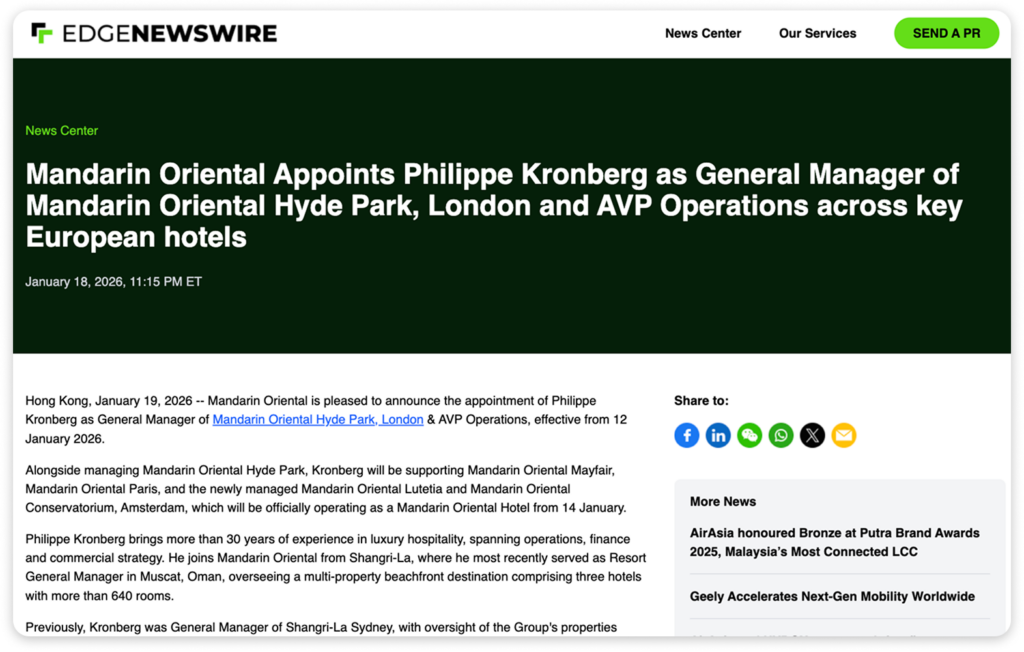
A press release allows organizations to present one clear version of events rather than reacting to speculation.
Over time, consistent press releases also help shape how an organization is perceived by the public.
#2 Journalists and Editors
Journalists use press releases as sources of information and story leads.
They rely on press releases to quickly understand:
- What happened
- Who was involved
- Why does it matter
A well-written press release includes names, dates, locations, quotes, and background context, which saves time during reporting.
Many news articles begin with a press release and are later expanded through interviews or additional research.
#3 Businesses and Organizations
Businesses use press releases to communicate with audiences beyond their existing customer base.
Press releases allow companies to share updates without needing direct relationships with every journalist or publication. They help businesses appear active, transparent, and credible.
They are commonly used to inform investors, partners, customers, and employees about developments that matter.
Press releases also help correct misinformation or clarify issues in a controlled way.
Why Do Businesses Use Press Releases?
Press releases provide several practical benefits when used correctly:
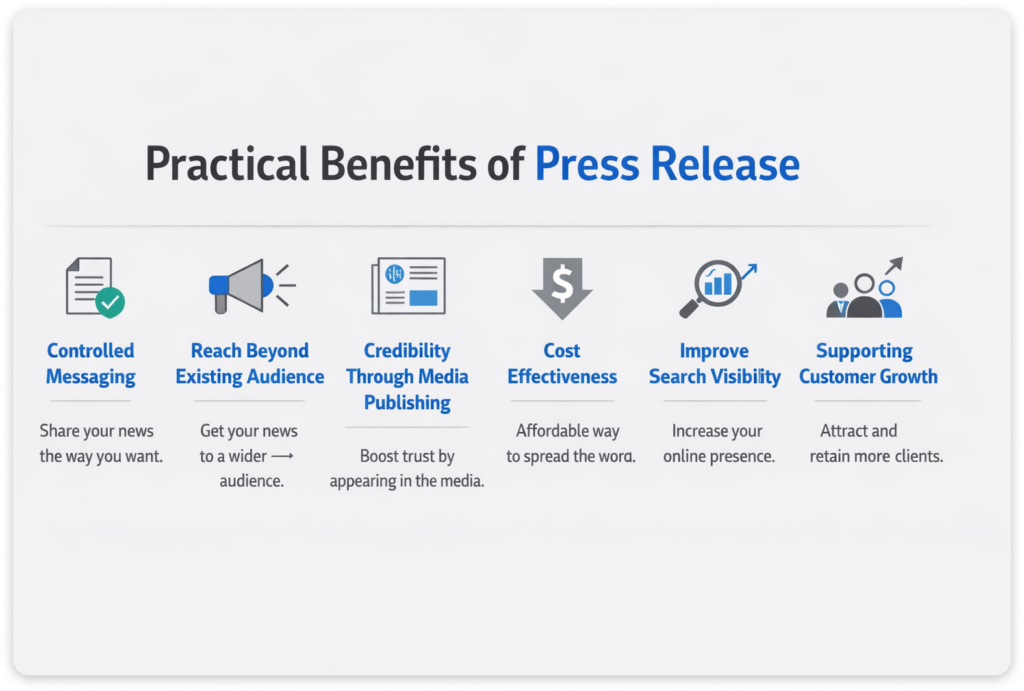
#1 Controlled Messaging
A press release gives businesses control over what information is shared and how it is explained.
Instead of relying on third-party interpretations, the business provides the original source of information.
This is especially important when accuracy matters, such as timelines, figures, or responsibilities.
#2 Reach Beyond Existing Audiences
Most businesses primarily communicate with people who already know them.
Press releases help extend reach beyond websites, email lists, and social media followers.
When published by media outlets or news platforms, press releases reach readers who may not otherwise encounter the business.
#3 Credibility Through Media Publishing
Information published by media outlets is often perceived as more trustworthy than information published only on a company website.
When a third-party platform publishes or references a press release, it adds credibility.
For instance, when you distribute a press release through EdgeNewswire, your news is made available to established media and information platforms such as Associated Press, Business Insider, Google News, USA Today, Ground News, Barchart, CapEdge, and hundreds of other media and financial sites.
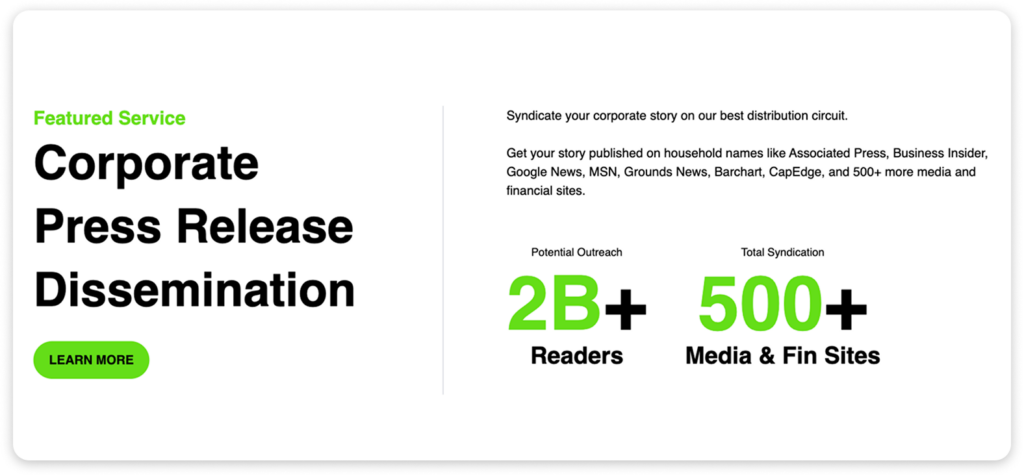
This means your announcement is no longer confined to your own platforms. It will have the chance to appear in places where journalists, investors, researchers, and the general public already look for news.
#4 Cost Effectiveness
Compared to traditional advertising, press releases are relatively cost-efficient.
They do not require ongoing spend per click or impression. Once published, a press release remains available as a reference point.
This makes press releases a practical option for businesses with limited marketing budgets.
#5 Improve Search Visibility
Press releases published online can be indexed by search engines.
When written clearly and structured properly, they can appear in search results for brand names, announcements, or related topics.
Over time, this supports discoverability when people research a business.
#6 Supporting Customer Growth
Press releases help introduce businesses to new audiences.
Announcements about launches, partnerships, or milestones can lead people to learn more about what the business offers.
While press releases are not sales messages, they support awareness and consideration.
That brings us to an important question: what actually makes a good press release?
What Makes a Good Press Release?
A good press release is easy to read and easy to scan.
Journalists often decide quickly whether something is relevant. Clear structure matters more than creative language.
Headline
The headline should clearly state the main news.
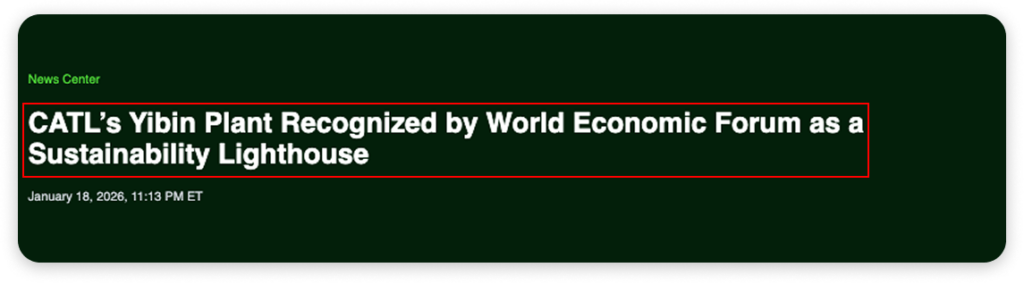
It should explain what happened without exaggeration. Someone should be able to understand the announcement by reading the headline alone.
Summary
The summary provides a short overview of the announcement.
It helps readers quickly understand the main point before reading further.
Dateline
The dateline includes the city and date of release.
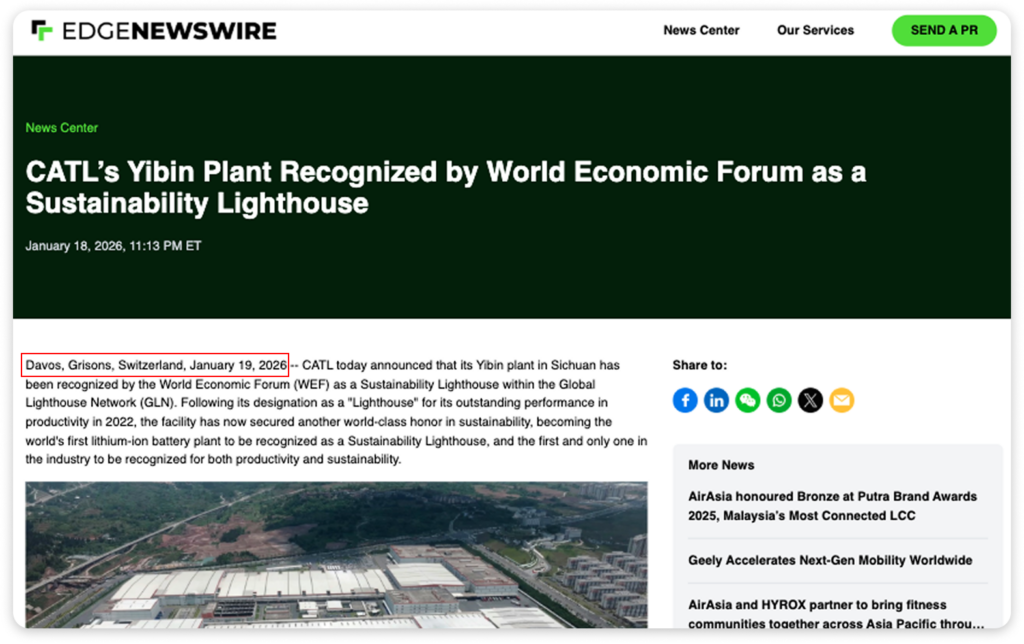
This provides context and establishes when the news occurred.
Opening Paragraph
The opening paragraph should answer the key questions:
- Who is involved
- What happened
- When it happened
- Where it happened
- Why it matters

This information should appear early, not later in the release.
Supporting Details
After the opening, the press release should provide additional context.
This may include background information, explanations, statistics, or quotes from relevant people. Quotes should add insight or perspective rather than repeating facts.
Boilerplate
The boilerplate is a short description of the company.
It explains what the company does in clear, factual language. This section should be consistent across press releases.
Contact Information
Clear contact details should always be included.
Journalists and editors need to know who to contact if they want clarification or follow-up information.
How to Distribute a Press Release?
Without proper distribution, a press release usually stays confined to a company’s own website or inbox.
That limits reach, credibility, and long-term visibility. Effective distribution places the announcement in environments where journalists, researchers, search engines, and AI systems already look for information.
In other words, distribution is what turns a press release from a document into a public signal.
There are several common ways businesses distribute press releases, each serving a different purpose:
#1 Emailing Journalists Directly
Some businesses send press releases directly to journalists and editors.
This method works best when the announcement is highly relevant to the journalist’s beat. It requires research and personalization and does not guarantee coverage.
#2 Sharing on Social Media
Press releases can be shared on platforms such as LinkedIn, X, or Facebook.
Example of a company sharing its milestone on LinkedIn:
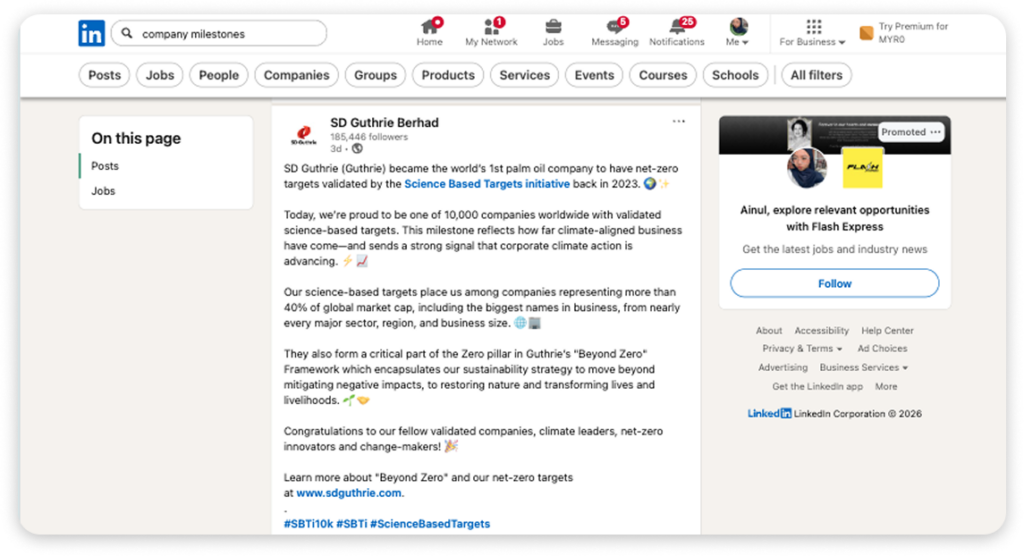
Social sharing helps increase visibility but works best when paired with context explaining why the announcement matters. It should support, not replace, proper distribution.
#3 Using Newswire Services
Newswire services distribute press releases to a broad network of media outlets and news platforms.
They simplify distribution by handling formatting, syndication, and reach. This approach is useful for businesses that want consistent visibility without managing individual media contacts.
Platforms such as EdgeNewswire allow businesses to submit press releases and distribute them efficiently across multiple outlets.
Final Takeaway
Press releases are a practical way to make information public in a clear and structured format.
When written properly, they help ensure that announcements are understandable, traceable, and easy for others to reference over time.
The effectiveness of a press release depends less on writing style and more on relevance and placement.
Clear facts, a standard structure, and appropriate distribution determine whether the information is noticed or overlooked.
For businesses that want a straightforward way to publish and distribute press releases across established media and news platforms, EdgeNewswire offers a structured starting point.
Frequently Asked Questions (FAQs)
Q: How long should a press release be?
A: A press release is typically between 400 to 800 words. It should be long enough to provide complete information but short enough to remain easy to scan. If it feels like it’s dragging, it usually is.
Q: How often should a business publish press releases?
A: There is no fixed frequency. Businesses should issue press releases only when there is something genuinely newsworthy. Publishing too often without meaningful updates can reduce credibility.
Q: Can a press release be rejected by media outlets?
A: Yes. Media outlets and journalists decide whether a press release is worth covering. If the content lacks relevance, clarity, or news value, it may be ignored or not picked up.
Q: Do press releases need to include quotes?
A: Quotes are not mandatory, but they are strongly recommended. A good quote adds context, perspective, or interpretation that goes beyond the basic facts.
Q: Can small businesses compete with larger companies using press releases?
A: Yes. Newsworthiness matters more than company size. A clear, relevant announcement from a small business can still be picked up if it is useful or interesting to the audience.