




August 28, 2024 -- JD Super, the supermarket division of JD.com, is leading the market in delivering “tree-ripened” Malaysian durians directly to Chinese consumers. These premium fruits, sourced from Malaysia, reach China in as little as five hours thanks to a meticulously managed cold-chain logistics process. The first batch was met with extraordinary demand, selling out within two hours of launch on JD’s app on August 25th.
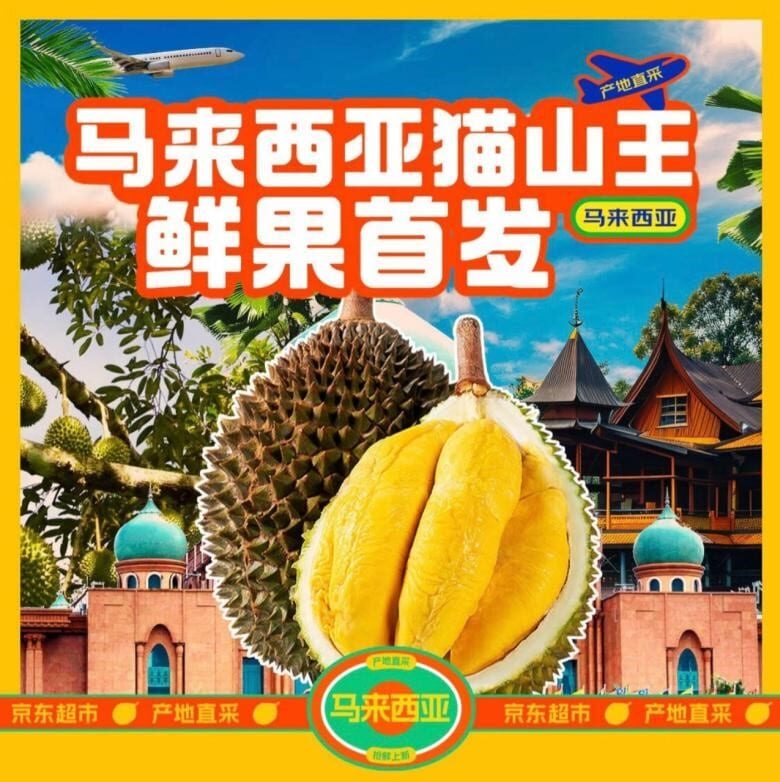
To ensure a consistent supply of top-quality durians, JD Super has partnered with Great-Sun Foods, which operates exclusive orchards in Raub, Pahang—the renowned “home of Musang King.” The durians are allowed to ripen naturally and fall into nets, minimizing handling and preserving quality. After harvesting, the fruits are rapidly chilled at a nearby facility and then transported under strict temperature control to Kuala Lumpur airport for their flight to China.
In brief
JD Super says it is bringing naturally ripened Malaysian durians directly to consumers in China through a cold-chain process. The company reports that the first batch sold out within two hours after launching on its app on August 25, and that transport from Malaysia to China can take as little as five hours. JD Super works with Great-Sun Foods, whose orchards are in Raub, Pahang, and describes a process involving rapid chilling, temperature-controlled transport, inspection in Zhengzhou and storage in specialized warehouses. The fruit is shipped ready to eat, without additional ripening. JD Super also offers compensation if a durian has fewer chambers than expected. The release links the shipments to a China-Malaysia protocol on fresh durian exports signed in June.
Key takeaways
- JD Super says its first batch of Malaysian durians sold out within two hours of its August 25 app launch.
- The cold-chain journey from Malaysia to China can take as little as five hours, according to the company.
- Great-Sun Foods operates the Raub, Pahang orchards supplying the durians.
- JD Super says it offers compensation when a durian falls short of the expected number of chambers.
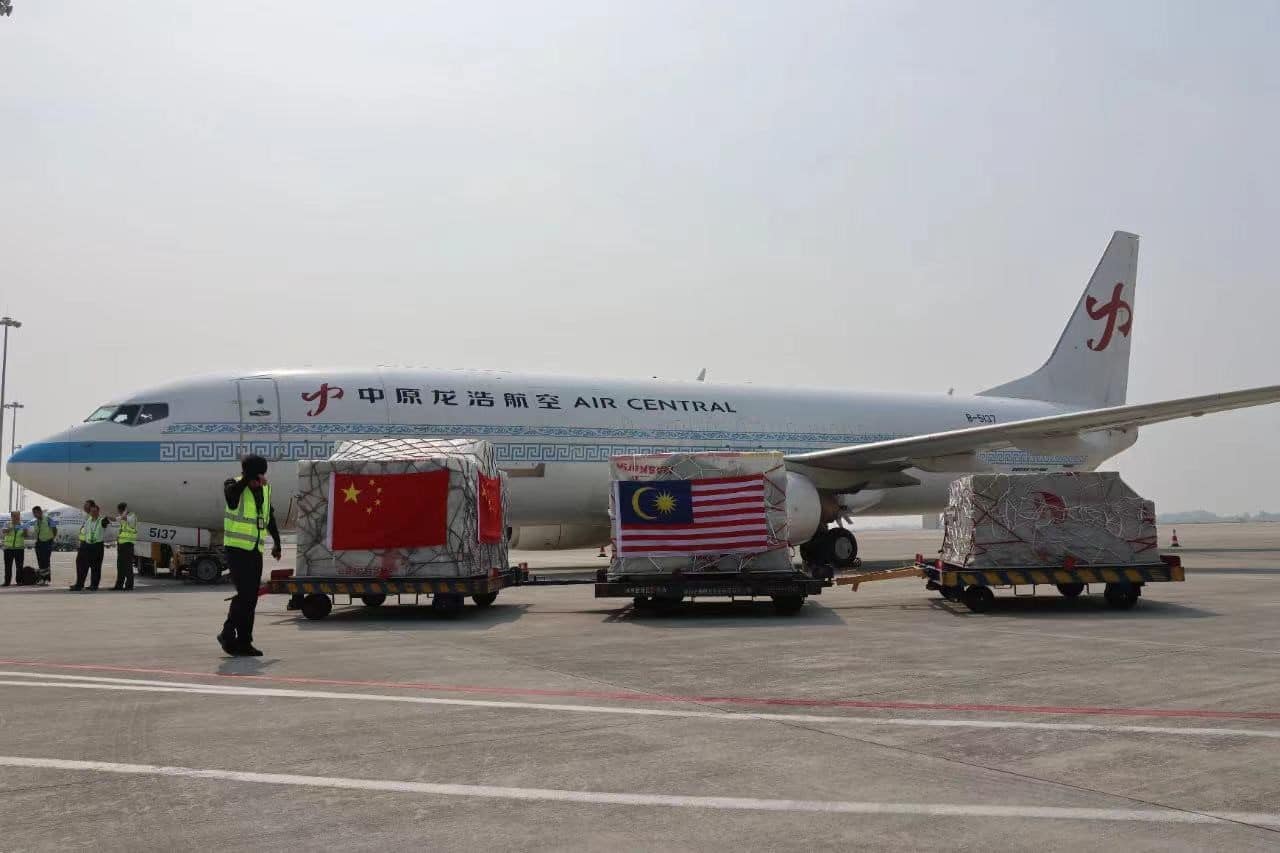
The journey from Malaysia to China can be completed in as little as five hours. Upon arrival in Zhengzhou, Henan province, a designated green channel facilitates swift inspection and clearance, enabling prompt distribution. Once in China, the durians are held in JD’s specialized warehouses before being dispatched directly to customers, arriving ready-to-eat with no further ripening required.
JD Super also offers a satisfaction guarantee, compensating for any durian that falls short of the expected number of chambers, ensuring consumers receive only the finest fruits.
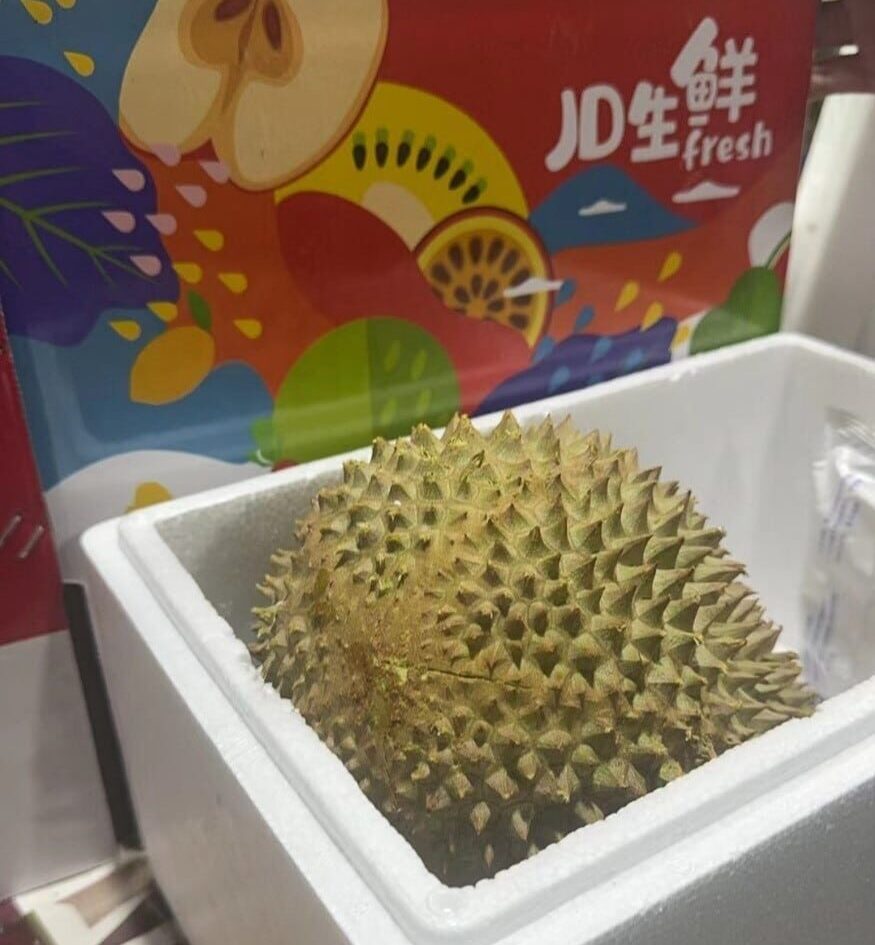
Despite the high transportation costs and durians’ brief shelf life, JD Super effectively utilizes its robust supply chain, economies of scale in procurement, and reliable after-sales customer service to offer these premium fruits at competitive prices. This not only offers Chinese consumers access to fresh, premium durians but also promotes the expansion of Malaysian agricultural exports.
In June, China and Malaysia signed the Protocol on Phytosanitary Requirements for the Export of Fresh Durian, paving the way for the first-ever direct export of fresh, tree-ripened durians from Malaysia to China. JD Super’s proactive approach in capitalizing on this development exemplifies its commitment to setting new industry standards in quality, efficiency, and value in the fresh produce sector.
If you detect any issues, problems, or errors in this press release content, kindly contact [email protected] to notify us (it is important to note that this email is the authorized channel for such matters, sending multiple emails to multiple addresses does not necessarily help expedite your request). We will respond and rectify the situation in the next 8 hours.
Questions around this news
How are the Malaysian durians transported to customers in China?
According to the release, the durians are chilled soon after harvest, then moved under temperature control to Kuala Lumpur airport for transport to China. After arrival in Zhengzhou, they pass through an expedited inspection and clearance process, are stored in specialized warehouses, and are dispatched to customers ready to eat without further ripening.
What does a phytosanitary protocol for durian exports cover?
A phytosanitary protocol sets plant-health requirements for exporting produce, such as inspection and measures to manage pests or plant diseases. The release says China and Malaysia signed a protocol for fresh durian exports in June, enabling direct shipments of fresh, tree-ripened durians from Malaysia to China.
What satisfaction guarantee does JD Super offer for durians?
The release says JD Super compensates customers if a durian has fewer chambers than expected. The guarantee is intended to address a feature of the fruit that can affect the amount consumers receive. The release does not specify the compensation amount or describe how customers submit a claim.
Why is a cold chain used to transport fresh durians?
A cold chain keeps perishable goods within controlled temperature conditions as they move through storage and transport. Maintaining those conditions can slow deterioration and help preserve quality and freshness. It requires coordination across handling points, vehicles, storage facilities, and distribution so that the goods remain appropriately chilled throughout the journey.
