




March 21, 2025 -- CATL and the Ellen MacArthur Foundation have announced an agreement to accelerate the development of a circular economy for batteries, with CATL becoming a Strategic Partner, and the first renewable technology leader, in the Foundation's Network.

Looking ahead, CATL will work towards a global energy circularity commitment, and will collaborate with the Foundation to identify the circular economy opportunity for the entire battery value chain, and build an ecosystem of cross-industrial partners to develop and implement a blueprint for battery circularity.
While the industry has long recognized the need to move beyond a 'take-make-waste' approach, translating commitment into reality is complex. The expertise CATL will bring to the Strategic Partnership will be key to establishing a truly circular battery industry.
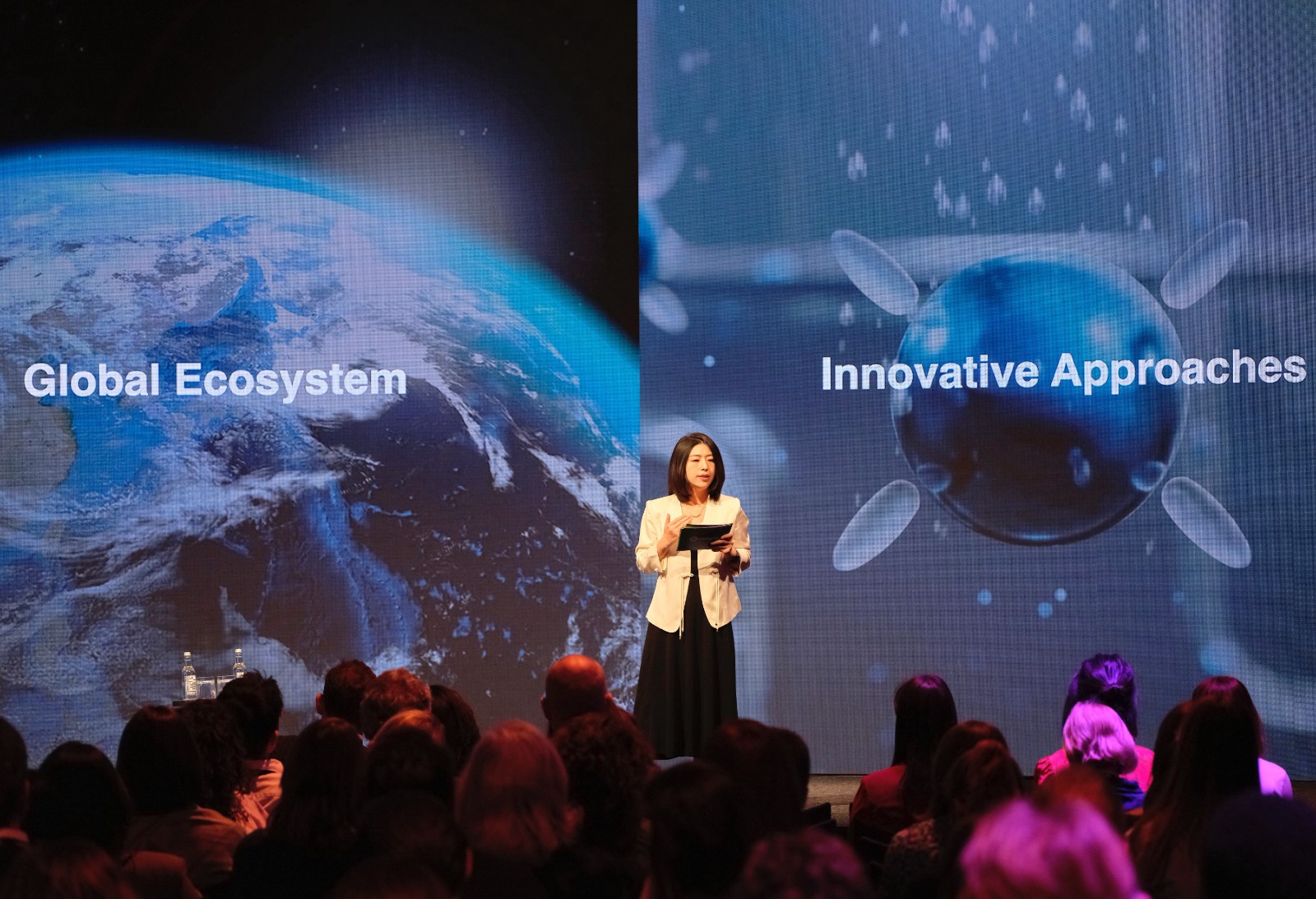
"This Strategic Partnership represents a major step forward in our shared vision of a sustainable energy future," said Sandy Song, CATL's Global Lead for Circular Economy. "By combining our knowledge and innovation capabilities in the battery industry with the Foundation's leadership in the circular economy, we are well-positioned to create a truly circular battery ecosystem. This is not just about environmental responsibility - it's about driving innovation and building a system that benefits industries and communities worldwide."
At a glance
- Company
- CATL
- Announcement
- Partnership
- Location
- Amsterdam, the Netherlands
Key figures
- Used batteries recycled in 2024
- about 130,000 tons
- Lithium salt produced
- 17,000 tons
People
- Sandy SongCATL's Global Lead for Circular Economy
- Joe MurphyExecutive Lead, Network, Ellen MacArthur Foundation
- Dennis PanChief Sustainability Officer of CATL
Products and programs
"The rapid growth of renewable energy and electrification offers a unique chance to build circular value chains from the ground up. By embracing a circular economy, businesses can recover valuable resources from first-wave technologies, such as electric vehicles, rather than discarding them," said Joe Murphy, Executive Lead, Network, Ellen MacArthur Foundation. "As the world's foremost producer of batteries for both electric vehicles and energy storage systems, CATL's expertise will be key to establishing a truly circular battery industry and driving the circular economy of the wider energy transition."
Speaking at the Foundation's annual Network event in Amsterdam, the Netherlands, Dennis Pan, Chief Sustainability Officer of CATL, emphasized the critical importance of designing batteries with recyclability in mind. CATL has adopted a zero-carbon strategy to prioritize using reusable and renewable materials and facilitate recycling. In 2024, CATL recycled about 130,000 tons of used batteries to produce 17,000 tons of lithium salt.
If you detect any issues, problems, or errors in this press release content, kindly contact [email protected] to notify us (it is important to note that this email is the authorized channel for such matters, sending multiple emails to multiple addresses does not necessarily help expedite your request). We will respond and rectify the situation in the next 8 hours.
Questions around this news
What will the CATL–Ellen MacArthur Foundation partnership focus on?
The organizations plan to explore circular-economy opportunities across the battery value chain and bring together partners from different industries. Their stated aim is to develop and implement a blueprint for battery circularity. CATL also said it would work toward a global energy circularity commitment as part of the collaboration.
What does a circular economy for batteries involve?
A circular economy aims to keep materials and products in use rather than following a one-way pattern of extraction, manufacturing and disposal. For batteries, that can involve designing them for reuse or recycling, recovering useful materials at the end of their service life, and returning those materials to production where practical.
How much used battery material did CATL report recycling in 2024?
CATL reported recycling about 130,000 tons of used batteries in 2024. It said this process produced 17,000 tons of lithium salt. The release presents these figures as part of the company’s efforts related to battery recycling and its stated zero-carbon strategy.
Why design batteries with recyclability in mind?
Design choices can affect how easily a battery is dismantled and how effectively its materials can be recovered. Considering recyclability early may help reduce waste and retain valuable resources for potential reuse. It also connects product design with later stages of a battery’s life, including collection, processing and material recovery.
Earlier from CATL
- CATL and Masdar Establish Partnership for World's Largest BESS Project
- CATL Launches the Bedrock Chassis That Withstands 120 km/h Impact Without Catching Fire or Exploding
- CATL Launches Battery Swap Ecosystem with Nearly 100 Partners
- CATL opens innovative new energy experience center in Chengdu
- CATL launches EV battery brand for commercial applications – CATL TIANXING
