




Leveraging the power of Airport Authority Hong Kong’s HKIA Cargo Data Platform
January 31, 2024 -- Cathay Cargo Terminal
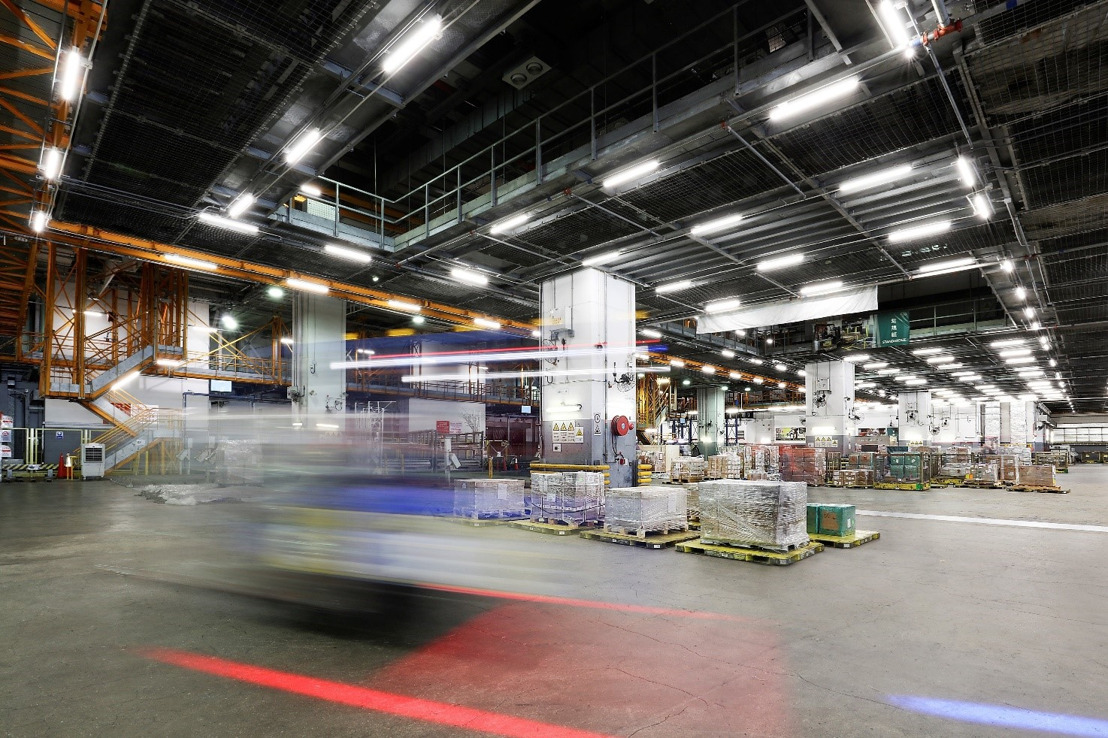
Cathay Cargo Terminal continues to enhance the service it provides to customers with the launch of Electronic Shipment Release Forms (eSRF), making it the first Hong Kong cargo terminal operator to provide end-to-end digitalised import collection. This new eSRF feature forms an integral part of the Import Air Cargo Collection Digitalization Module of Airport Authority Hong Kong's (AAHK) HKIA Cargo Data Platform.
The eSRF functionality speeds up the entire import collection process, providing improved efficiency and enabling freight forwarders to plan their work schedule with more flexibility. Additionally, eSRFs are more secure than paper/manual identification verification, provide more visibility for customers and eliminate paper Shipment Release Forms (SRF), reducing archiving storage for freight agents and contributing to a more sustainable future.
Previously, freight forwarders could only obtain SRFs by undergoing authentication with paper-based identification documents and queuing for truck dock and cargo clearances. Under the new process, an eSRF can be issued through electronic authentication. Airlines can issue the eSRF to freight forwarders or consignees for pre-registration, automatic truck dock allocation, and online queuing for cargo clearance. With the inspection confirmation being recorded electronically, a cargo release confirmation will be shown on the mobile device.
In brief
Cathay Cargo Terminal says it has launched Electronic Shipment Release Forms (eSRF), enabling freight forwarders and consignees to complete import cargo collection digitally. The feature is part of the Import Air Cargo Collection Digitalization Module on Airport Authority Hong Kong’s HKIA Cargo Data Platform. The company says the process supports electronic authentication, advance registration, automated truck dock allocation, online queuing and mobile cargo-release confirmation. It replaces paper-based release forms and identification checks, which the company says can improve visibility and security while reducing paper and storage needs. Cathay Cargo Terminal co-developed the solution with Airport Authority Hong Kong, with input from freight forwarding and logistics groups, airlines, cargo agents, truckers and regulators. Chief Operating Officer Mark Watts described the launch as part of broader efforts to support digitalisation and shared data standards across air cargo supply chains.
Key takeaways
- The eSRF feature enables digital import cargo collection at Cathay Cargo Terminal.
- The process includes electronic authentication, online queuing and mobile release confirmation.
- The feature is part of Airport Authority Hong Kong’s HKIA Cargo Data Platform.
- The solution was co-developed with industry participants and the Airport Authority.
Cathay Cargo Terminal is the pioneer cargo terminal partner of the AAHK and co-developed this solution together, in consultation with the Hong Kong Association of Freight Forwarding and Logistics (HAFFA), airlines, cargo agents, truckers, and regulators.
Cathay Cargo Terminal Chief Operating Officer Mark Watts said: “The introduction of eSRF is a real game changer – akin to the introduction of e-tickets in passenger aviation. We are proud to have worked hand-in-hand with the AAHK to make this a reality. Our customers are increasingly looking to leverage digitalisation to unlock efficiency and transparency, while also looking to work with common standards and true community solutions that enable them to share data quickly across the supply chains with minimal integration. The HKIA Cargo Data Platform serves as an enabler in driving such transformational change for the industry”.
The HKIA Cargo Data Platform, as developed and managed by AAHK, is an open and neutral community-based digital platform on blockchain that connects air cargo stakeholders together through a synchronised and trusted network to enable global supply chain digitalisation and innovation as well as global trade facilitation. It can also accelerate ecosystem formulation and collaboration to propel Hong Kong’s air cargo industry to a new frontier.
Watts continued: “The introduction of eSRF reinforces our position as a digital leader in the cargo terminal industry, further strengthens Hong Kong International Airport as the leading international aviation hub and is another milestone to help us meet our vision of becoming the world’s most customer-centric cargo terminal.”
For more information, visit www.cathaycargoterminal.com.

If you detect any issues, problems, or errors in this press release content, kindly contact [email protected] to notify us (it is important to note that this email is the authorized channel for such matters, sending multiple emails to multiple addresses does not necessarily help expedite your request). We will respond and rectify the situation in the next 8 hours.
Questions around this news
How does the electronic import collection process work?
Airlines can send an electronic Shipment Release Form to a freight forwarder or consignee for pre-registration. The process supports automatic truck dock allocation and online queuing for cargo clearance. After inspection is confirmed electronically, a cargo release confirmation appears on the user’s mobile device.
What benefits does the new digital process offer?
The release says the process is intended to make import collection more efficient and give freight forwarders greater flexibility in scheduling. Electronic authentication replaces paper identification checks, while digital records provide customers with more visibility. The system also removes paper Shipment Release Forms, reducing the need for freight agents to store archived documents.
What does blockchain do in a supply-chain platform?
Blockchain is a way of recording transactions in a shared digital ledger. Participants can use the ledger to check and exchange records, with changes tracked over time. In supply-chain settings, it can support coordination among organizations that need to share information, though the specific functions depend on how a platform is designed.
