


Press Release Marketing Strategy (Format and Tips Included!)
April 2, 2026 at 01:44 AM UTC
 Written by Huey Yee
Most businesses spend time and budget on ads, social media, email campaigns, and content marketing. All of that But the are beneficial, and important for a business.
But there is one tool that often gets misunderstood or underestimated, the press release.
Some people think press releases are outdated. Others see them only as something for big corporations.
In reality, press releases are still one of the most practical ways to communicate important news, build credibility, and support long-term brand visibility.
A well-planned press release does more than announce something. It puts your brand into public conversations, gives journalists a reliable source of information, and creates content that can live across search engines, media sites, and social platforms.
If you care about trust, reach, and long-term brand presence, press releases should not be an afterthought. They should be part of your marketing system.
What is a Press Release?
At its core, a press release is a formal announcement shared with the media and the public. Example of press release:
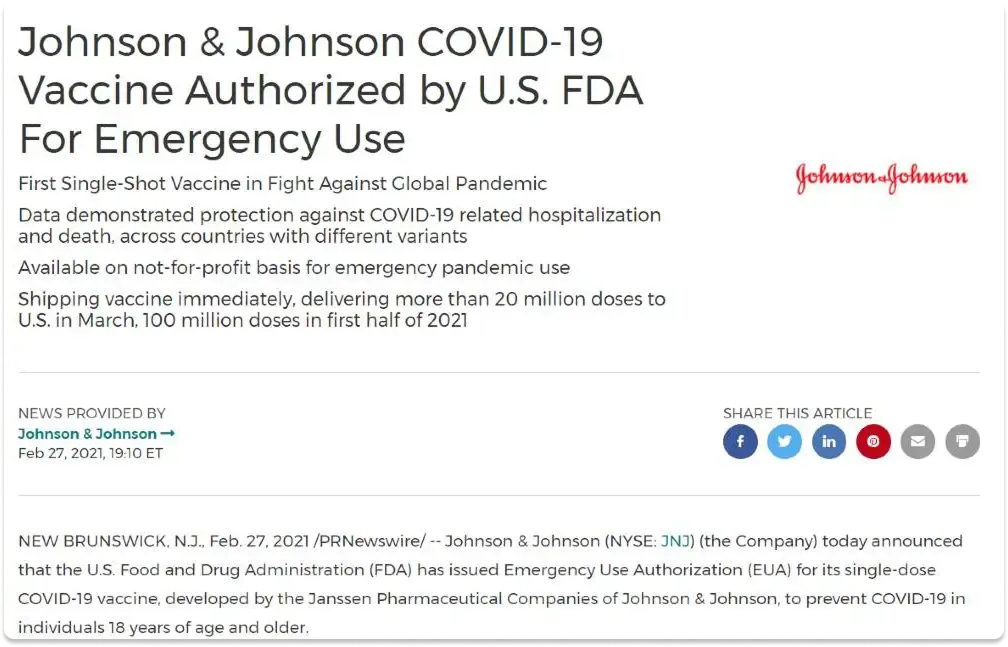
It is used to communicate news such as:
- Product or service launches
- Company milestones
- Partnerships or collaborations
- Rebranding or positioning changes
- Events, awards, or major updates
But, press release is not an advertisement.
A press release is built around information instead of promotion. Its job is to explain what happened, why it matters, and who is involved, in a clear and factual way.
When press release is written in an effective way, it gives journalists and readers everything they need to understand the story without sounding like a sales copy.
Benefits of Using Press Releases for a Business
Press releases support several important marketing goals at the same time.
#1 Reach New Audience
Your website, social media, and email list mostly reach people who already know you or have chosen to follow you.
Press releases help you reach new audiences through media sites, news platforms, and search engines. When your story is published on multiple outlets, your brand shows up in places you could not easily access on your own.
For example, when you use a press release distribution service like EdgeNewswire, your announcement can be picked up by established media outlets such as Business Insider, AP News, and USA Today.
These platforms have massive audiences that are far larger than most company websites or social accounts, which means your story gets in front of readers who would never have found you otherwise.
This is especially valuable for businesses that want to grow beyond their existing customer base or enter new markets.
#2 Building Trust Through Third-Party Visibility
Being mentioned on well-known or respected websites changes how people see your brand.
When potential customers see your company featured on recognizable platforms, it adds a layer of credibility that self-published content cannot easily create. It signals that your business is real, active, and worth paying attention to.
For many people, this kind of social proof plays a big role in buying decisions.
#3 Delivering the Right Message to the Right Audience
Press releases allow you to shape how your news is presented.
Instead of relying on short social posts or fragmented updates, you can explain your story in a structured way. This is especially useful when your news is technical, strategic, or important to specific groups such as investors, partners, or industry professionals.
With the right distribution, your message can appear in front of people who actually care about that type of news.
#4 Supporting Lead Generation and Demand Creation
A good press release attracts interest from people who are already looking for solutions, and ma like yours.
For example, a company announcing a new software tool can catch the attention of businesses actively searching for that type of product. Over time, this kind of visibility can turn into inquiries, sign-ups, or partnerships.
#5 Strengthening Long-Term Online Visibility
Press releases live online.
When they are published on media sites, they often include links back to your website. These links can drive referral traffic and also support your broader search visibility.
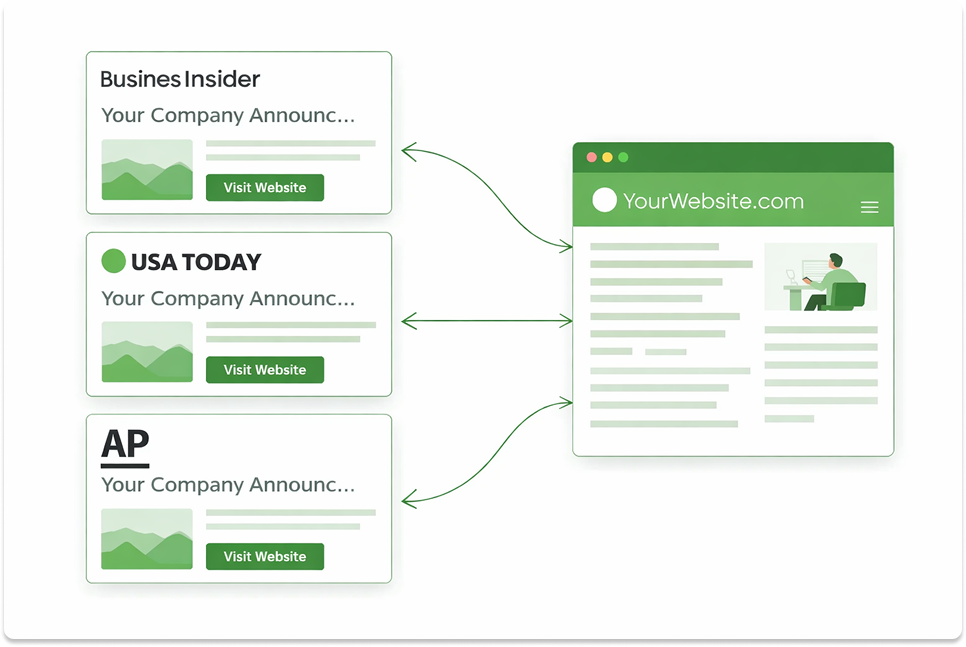
More importantly, press releases create a trail of public information about your brand. This helps shape what people and even AI tools find when they look up your company.
#6 Reinforcing Your Brand Positioning
Consistency matters in branding.
When you regularly share updates that align with your values, mission, or expertise, you reinforce how people perceive your company. A business that frequently publishes news about sustainability, innovation, or community impact becomes associated with those themes over time.
Press releases help you control and repeat those signals in a structured way.
How to Build an Effective Press Release Strategy
Press releases work best when they are part of a plan, not random one-off announcements.
#1 Start With a Clear Audience Focus
Before writing anything, be clear about who the news is for.
Ask questions like:
- Are you targeting customers, investors, partners, or media professionals?
- What problems or interests does this group have?
- Where do they usually get information?
Creating simple audience profiles helps you decide what angle to take, what details to highlight, and where to distribute your release.
#2 Decide on Timing and Frequency
For major announcements, it often makes sense to publish one or two weeks before a launch or event. This gives journalists time to review the story and plan coverage.
As for frequency, more is not always better.
Press releases should be used for real news, not small internal updates. A few strong, well-timed releases usually perform better than many weak ones.
Also pay attention to the day and time. Midweek and business hours tend to work better for most industries, since that is when editors and writers are actively working.
#3 Connect Press Releases With Other Marketing Channels
Press releases should not live in isolation.
When you are launching something new, you can tease it on social media before the release, follow up with a blog post that goes deeper into the topic, and send an email to your list with extra context or a related offer.
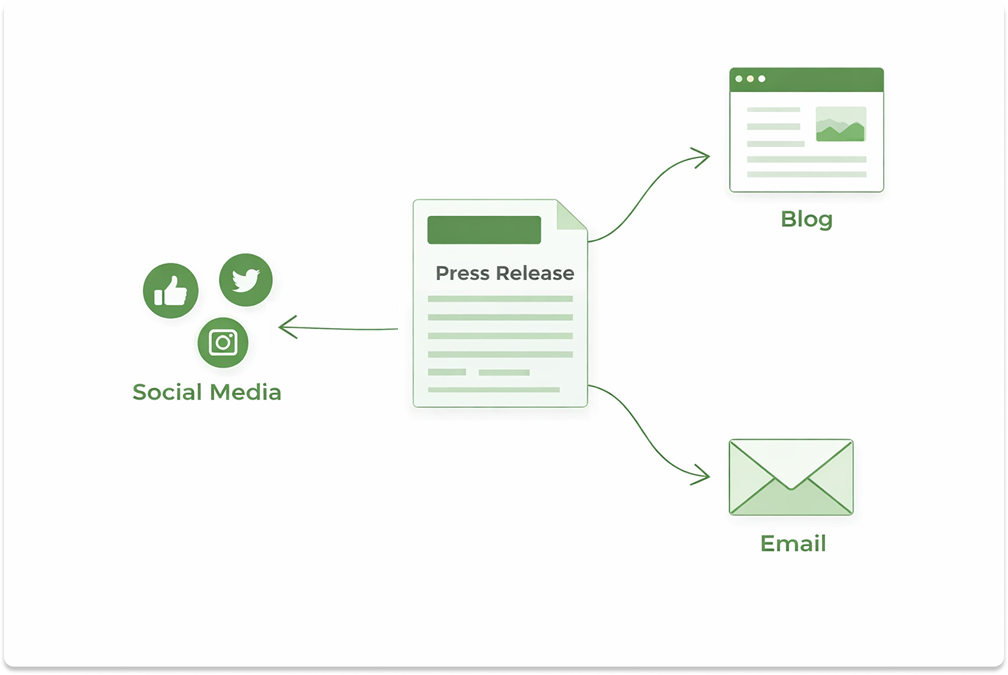
This creates a connected story across channels, so each piece supports the others and increases the overall impact of your campaign.
When to Use a Press Release
Not every update deserves a press release.
Press releases work best for:
- Major product or service launches
- Strategic partnerships
- Funding or business milestones
- Industry recognition or awards
- Important company changes
They are usually not the right tool for:
- Small internal changes
- Routine updates with no public impact
- Minor feature tweaks
- General marketing announcements with no real news value
Being selective helps you maintain credibility with media outlets and keeps your announcements meaningful.
Other than that, the way you write your press releases is also important.
Just as important, the way you write your press releases matters because editors, readers, and search platforms all judge your story based on clarity, relevance, and news value.
A well-written release makes it easier for your announcement to be understood, picked up, and trusted, while a poorly written one is likely to be ignored even if the news itself is solid.
How to Write Press Releases People Want to Read
A good press release follows a structure that makes it easy to understand and easy to evaluate.
a) Use a Clear, Familiar Structure
Most editors expect to see:
✅ A clear headline that states the news
✅ A short summary that explains why it matters
✅ A dateline with location and date
✅ A body that covers who, what, when, where, why, and how
✅ A short company description at the end
✅ Contact details for follow-up
This structure will make your story easy to scan and easy to verify.
b) Write Headlines That Respect the Reader’s Time
Your headline should be specific and factual.
Instead of vague promises, focus on what actually happened. A good headline helps the reader immediately understand whether the story is relevant to them.
c) Focus on Benefits, Not Just Features
Do not just list what you built or changed. Explain why it matters.
If your update improves efficiency, accessibility, cost, or experience, make that clear. This turns your announcement from a simple update into a story with real-world impact.
d) Always Include a Clear Next Step
Every press release should guide the reader somewhere.
That could be:
- Visiting your website
- Registering for an event
- Contacting your team
- Downloading a resource
A clear call to action helps turn attention into engagement.
How to Distribute a Press Release to the Right Audience
Writing is only half the job. Distribution decides who actually sees your story.
#1 Optimize for Search Visibility
Use keywords your audience is likely to search for, but keep the language natural.
Tools like Google Trends, Ahrefs, or Semrush can help you see what people are actually searching for and how competitive those terms are, while Google Search Console can show you which queries already bring traffic to your site.

A well-optimized press release can then continue to appear in search results long after it is published, bringing in steady visibility instead of just a short spike of attention.
#2 Use Visuals When Possible
Images, charts, or videos make your story easier to understand and more attractive to publishers. Many outlets prefer having visuals ready instead of requesting them later.
#3 Share Across Your Own Channels
Once your press release is live, share it on your social platforms, website, and email newsletters. This extends its reach and reinforces the message across touchpoints.
#4 Consider Using Distribution Services
Distribution platforms help place your press release across multiple media outlets at once.
This saves time and increases the chance that your story reaches relevant publishers, especially if you are targeting specific industries or regions.
How to Measure Whether Your Press Releases Are Working or Not
Press releases should support real business goals, so measurement matters.
a) Track Media Coverage
Look at which sites published your story and how often it was picked up. This shows how newsworthy and relevant your announcement was.
b) Monitor Website Traffic and Search Visibility
Check whether people are visiting your site from those articles and whether your brand or keywords are appearing more often in search results.
c) Measure Leads and Conversions
If your press release includes a call to action, track how many people follow it. This helps you understand the business impact, not just the visibility.
d) Collect Feedback and Improve
Pay attention to what journalists, partners, and readers say. Over time, this feedback helps you refine your topics, angles, and writing style.
Final Takeaway
Press releases are not a relic of old-school PR.
They are still one of the most reliable ways to share important news, build credibility, and strengthen your brand’s public presence when they are used with intention.
The key is not to treat them as one-off announcements or marketing fillers. A strong press release strategy starts with understanding your audience, choosing news that actually matters, writing with clarity, and distributing your story where it has the best chance to be seen.
When those pieces come together, press releases stop being just “news updates” and start becoming a consistent driver of visibility, trust, and long-term brand authority.
If you approach press releases as part of your wider marketing system rather than a separate tactic, they become far more effective. Over time, each well-planned release adds another credible signal about your business, your expertise, and your direction.
That cumulative effect is what makes press releases such a valuable asset in a modern marketing strategy.
Frequently Asked Questions (FAQs)
Q: Are press releases still useful for small businesses?
A: Yes. Small businesses often benefit even more because press releases help build credibility and visibility faster than relying only on social media or ads.
Q: How long should a press release be?
A: Most effective press releases are between 400 and 800 words. The goal is to be complete but not overwhelming.
Q: Can a press release help with AI search visibility?
A: Yes. Press releases published on trusted sites create authoritative sources that AI tools may reference when summarizing companies, products, or topics.
Q: Should press releases be written in first person?
A: No. Press releases should be written in a neutral, third-person tone to match journalistic standards.
Q: Is it better to write press releases in-house or outsource them?
A: It depends on your team’s experience. In-house works if you understand media writing well. Outsourcing can help if you want speed, consistency, or broader distribution support.
